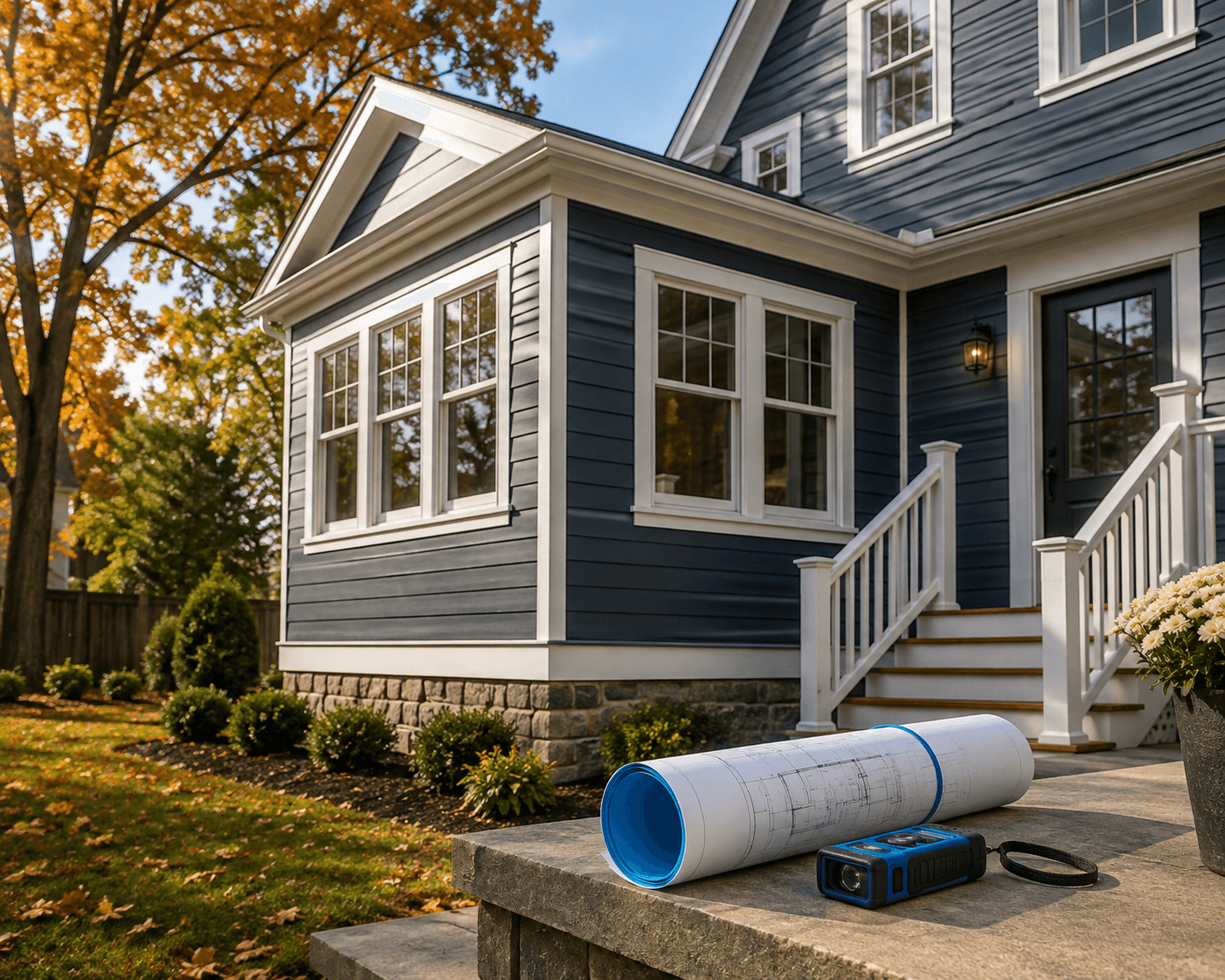
Cambridge's 2025 zoning changes mean some older homes, especially on larger lots, may now attract developers as well as traditional buyers. When that happens, ordinary single-family comparable sales may not tell the whole pricing story.
A Cambridge property may look like an ordinary single-family home. That does not mean the next buyer will value it only as a home. For real estate agents, the question is simple to ask and harder to answer: is the property's current use also its highest and best use?
That answer can affect the likely buyer pool, which comparable sales matter most, how the property is marketed, and ultimately its value.
What changed in Cambridge zoning in 2025?
On February 10, 2025, the City of Cambridge adopted zoning amendments that permit multifamily housing throughout its residential neighborhoods. According to the City:
Most residential neighborhoods are now zoned Residence C-1.
Multifamily housing is permitted throughout residential neighborhoods.
Residence C-1 generally allows residential buildings of up to four stories.
Up to six stories may be allowed when the lot is at least 5,000 square feet and the project meets the City's inclusionary housing requirement.
Zoning no longer sets a minimum lot size, a maximum number of units, or a maximum floor area for housing.
Setbacks, open space requirements, historic review, building codes, tree protection, design guidelines, inclusionary requirements, and other rules can still limit what is actually possible. The City's Zoning for Multifamily Housing page gives an overview, but every property should be researched individually against the current ordinance and maps.
We appraise homes and investment properties across Cambridge and the surrounding communities.
Why does this matter when you price a listing?
Residential pricing usually starts with comparable homes: location, size, bedrooms and baths, condition, and sale date. Those still matter. They may not tell the full story when a property has real redevelopment potential.
An end user may see an older home that needs updating. A developer may see land, frontage, access, allowable height, potential floor area, and room for multiple units. These buyers are purchasing different things, and they can reach very different opinions of value.
What are the five signs a Cambridge listing needs a closer look?
The lot is 5,000 square feet or larger. That threshold can affect the development options available in Residence C-1.
The house is small or dated compared with the lot. The existing building may contribute less value than the site's redevelopment potential.
Developers have bought nearby properties recently. Those sales may be more relevant than conventional single-family sales.
The pricing picture does not line up. If a home-based view and a land-based view of the property seem to point in different directions, both deserve a closer look.
The situation involves an estate, divorce, pre-listing decision, partnership interest, or other private matter. In these cases, the parties often need a documented, independent value rather than an informal estimate.
None of these signs proves that redevelopment is feasible or more valuable. They signal that the question should be investigated before the property is priced or marketed.
Does zoning alone prove highest and best use?
No. Zoning permission is only the starting point. In appraisal practice, a potential use generally must be legally permissible, physically possible, financially feasible, and maximally productive.
A property may legally allow a larger multifamily building and still face practical limits: lot shape, frontage, setbacks, open space, demolition, construction costs, affordable housing requirements, financing, market demand, or historic review.
That is why “it's zoned for six stories” is not the same as proving a six-story project is feasible or that the property has a particular value to a developer. Agents should be careful not to promise a unit count, a development program, or a value based only on a zoning designation.
Which comparable sales actually apply?
A reliable analysis asks whether the comparables offered buyers similar development rights. Two nearby lots can have very different potential because of:
Lot size and configuration
Frontage and access
Building height eligibility
Inclusionary housing requirements
Existing structures and demolition costs
Historic or neighborhood restrictions
Overlays and other parcel-specific rules
Whether permits or approved plans were included in the sale
A conventional home sale and a sale to a developer are not automatically interchangeable. The appraiser has to understand what the buyer was purchasing and why.
How can an appraisal help the agent?
A pre-listing or private appraisal can look at the property under more than one credible scenario, including:
Value in its existing residential use
Value as a potential redevelopment site
Value subject to an existing lease
Value of a specific ownership interest
Retrospective value as of a date of death or another legally relevant date
The goal is not to replace the agent's market expertise. It is to give the agent independent analysis when a property raises a valuation question that falls outside an ordinary comparative market analysis.
What is a simple plan for Cambridge agents?
Confirm the parcel's current zoning and overlays.
Review lot size, frontage, configuration, and improvements.
Ask whether an end user or developer is the more probable buyer.
Check whether ordinary residential sales reflect the same development potential.
Bring in qualified zoning, design, legal, or appraisal help when the answer could materially affect the client.
Help your client ask the right question
Your client does not expect you to be an architect, zoning attorney, developer, and appraiser. Your value is in spotting the issue, assembling the right professionals, and guiding your client to an informed decision.
Not every property requires a special appraisal. The important thing is recognizing when one might.
If you are working with a Cambridge property and are unsure whether the house or the land is driving its value, talk with us before you finalize your pricing recommendation. Learn more about our pre-listing appraisal service, and see how we support families through our estate planning and date-of-death appraisal service and our divorce appraisal service.
Aladdin Appraisal | 617-517-3711 | aladdinappraisal.com
This article is general educational information, not legal, architectural, zoning, tax, or development advice. Regulations and property characteristics should be confirmed for the specific parcel as of the relevant date.