
Being named executor of an estate is an honor. It is also a legal responsibility that comes with real personal exposure if mistakes are made. Among the most common and most preventable of those mistakes is filing estate tax documents with an unsupported property valuation. What most executors don't know is that this exposure doesn't disappear when the estate closes.
The tax benefit at stake makes the documentation obligation concrete, what the stepped-up basis requires in terms of documentation is the specific reason an executor cannot rely on Zillow, tax assessments, or verbal estimates when filing.
What Executors Are Legally Responsible For
The executor is responsible for marshaling the estate's assets, paying valid debts and taxes, and distributing what remains to the beneficiaries. They must file any required estate tax returns and ensure the valuations reported are accurate and defensible.
If the IRS later determines that an asset was undervalued, and real estate is among the most commonly challenged asset classes, the estate may owe additional taxes, interest, and penalties. In cases where the executor has already distributed estate assets, they may face personal liability for the shortfall.
An executor who distributes the estate before ensuring the tax obligations are fully settled can be held personally responsible for what the estate can no longer pay. A professional appraisal is not just good practice; it is protection.
The IRS Audit Risk Is Real
Real estate is one of the assets the IRS scrutinizes most carefully on estate tax returns, precisely because its value is not obvious from an account statement. An executor who reports a property value without a supporting qualified appraisal is essentially inviting the IRS to form its own opinion, and the IRS's opinion is rarely favorable to the estate.
The burden of proof falls on the estate to demonstrate that the reported value was correct. A professional appraisal prepared by a qualified appraiser is the primary tool for carrying that burden.
What a Qualified Appraisal Must Include
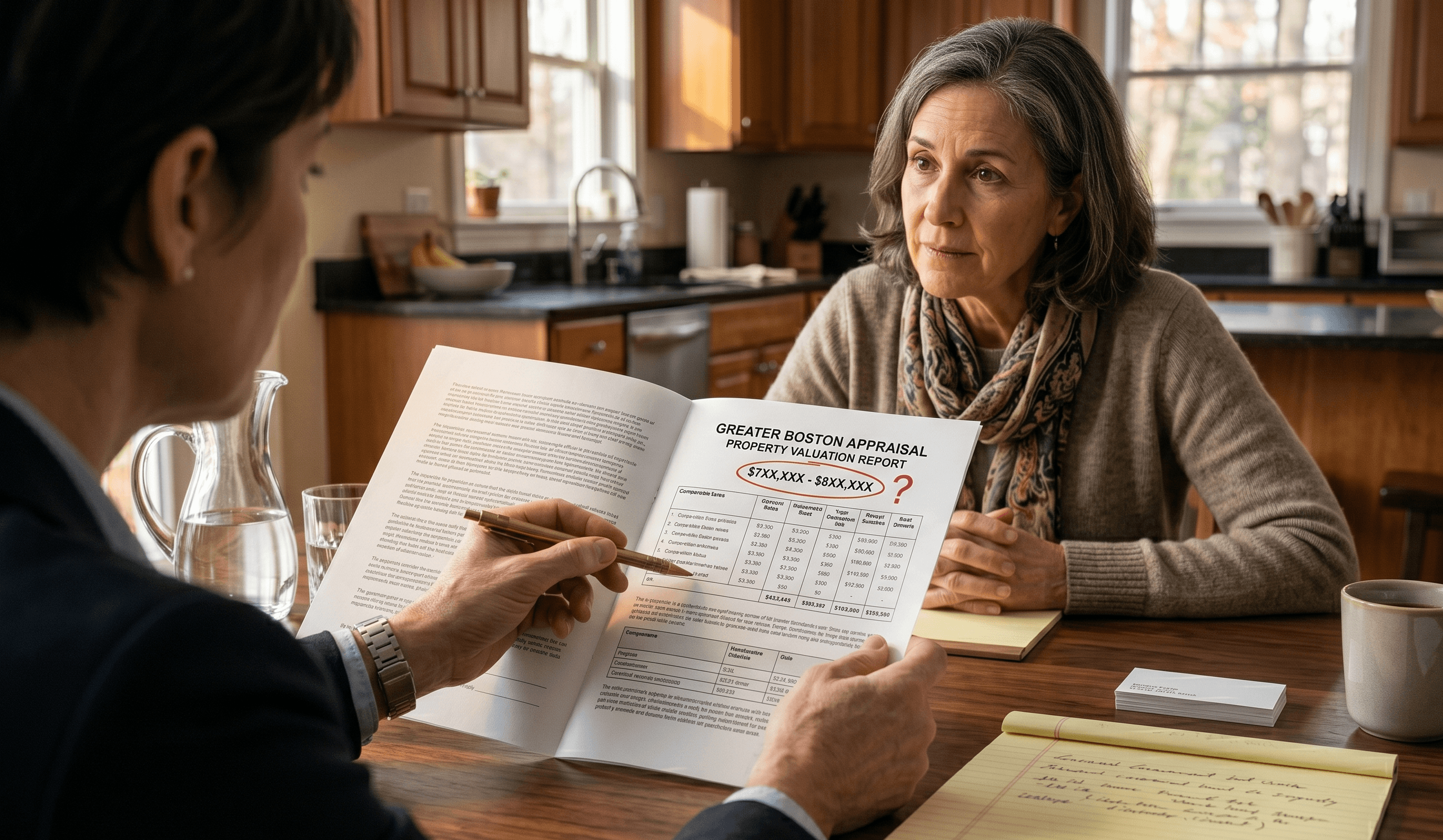
The IRS specifies what makes an appraisal 'qualified' for estate tax purposes. The appraiser must hold appropriate credentials, have relevant experience, and be independent from the estate. The report must include the property description, the effective date of valuation, the methodology used, the comparable sales analyzed, and the appraiser's certification.
A broker's price opinion or a Zillow estimate does not meet these requirements. The executor who relies on these as substitutes for a qualified appraisal is taking a risk they personally may bear.
The risk this post describes is most acute when the sale happens before the appraisal, what happens when an estate sells property before obtaining a proper appraisal and how to fix it is the scenario every executor should understand before making any listing decisions.
The Attorney's Role in Protecting Executors
Estate attorneys serve as the executor's guide through this process. Ensuring the executor understands the appraisal requirement not as a bureaucratic formality, but as genuine protection against long-term personal liability is one of the most important things an estate attorney can do for their client.
Planning decisions that could reduce the estate's tax bill also create documentation requirements, the alternative valuation date election and why it requires two defensible appraisals is an example of how valuation strategy and executor liability are directly connected.
Ready to Get Started?
Whether you are managing an active estate, advising a client on planning, or working through a divorce with contested property, Adam Wiener and the Aladdin Appraisal team are ready to help.
Phone: (617) 517-3711
Email: info@aladdinappraisal.com
Web: www.aladdinappraisal.com