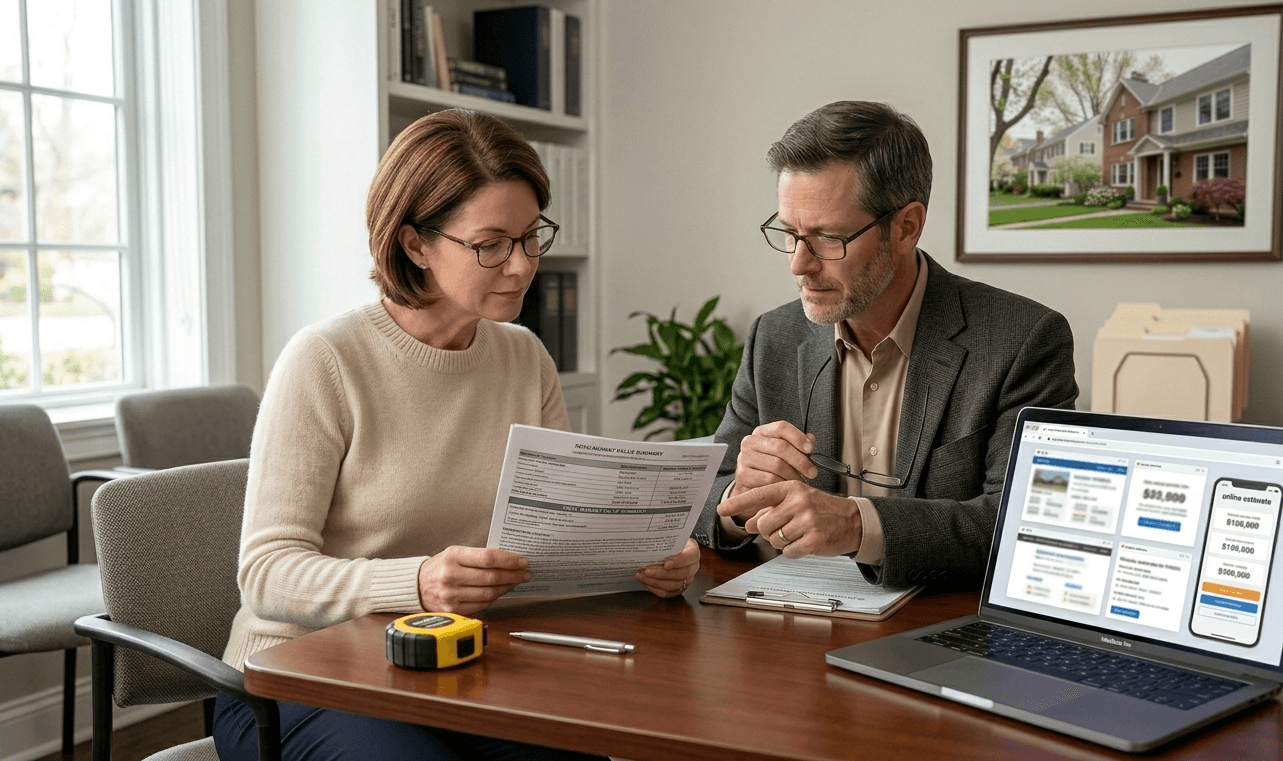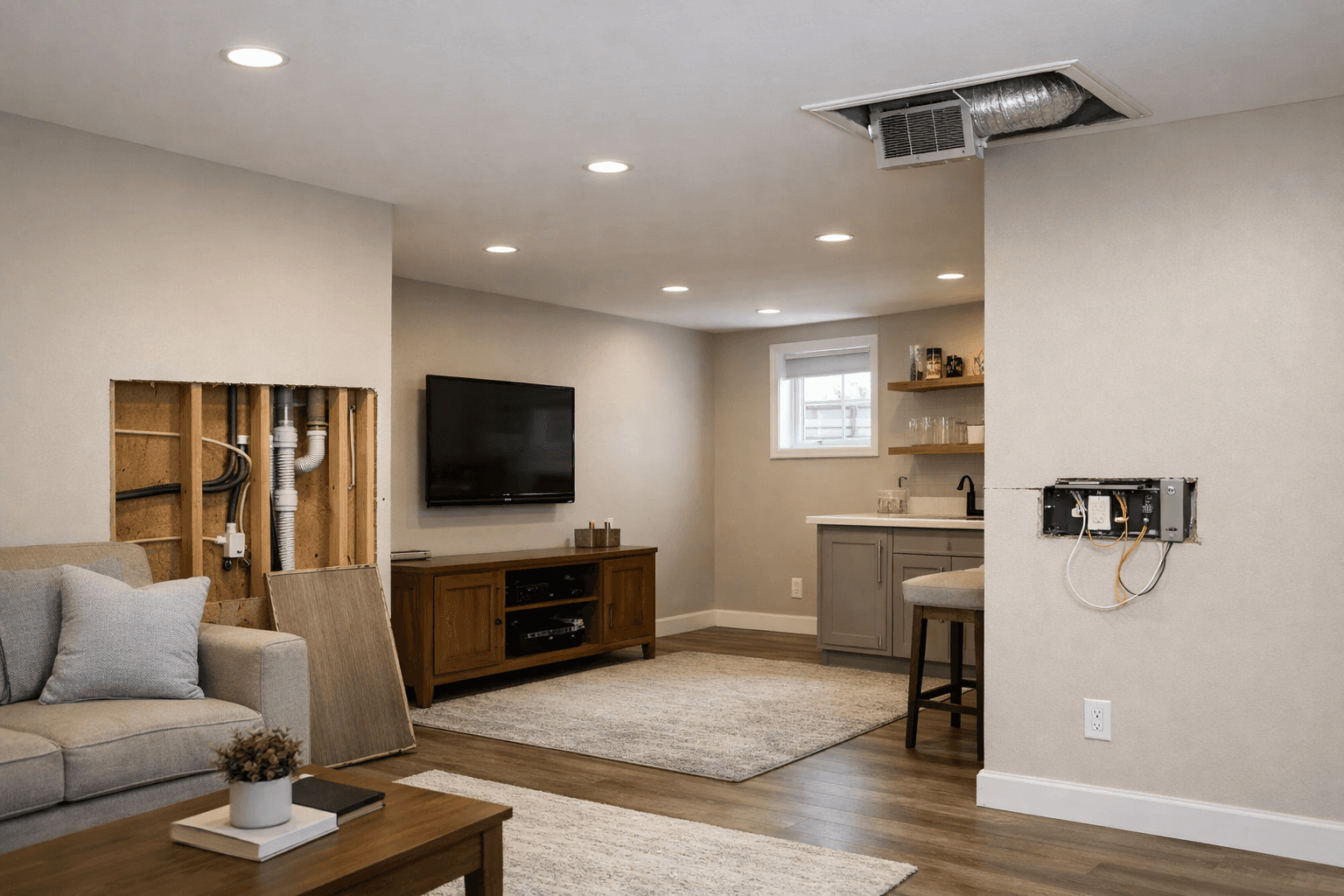

Unpermitted work is one of the most overlooked issues in residential real estate. While homeowners often assume a small renovation “doesn’t need a permit,” the reality is that unpermitted improvements can create significant legal, financial, and appraisal problems.
Appraisers must treat unpermitted work differently to protect lenders, buyers, and the stability of the valuation.
Why Unpermitted Work Matters
Permits exist to ensure that work meets safety, structural, mechanical, and zoning requirements. When work is completed without a permit:
Quality is uncertain
Safety cannot be verified
Insurance claims may be denied
Municipalities may require costly retroactive fixed
The finished space may not legally qualify as a living area
Even if the work looks good, its value is uncertain.
How Appraisers Identify Unpermitted Work
Experienced appraisers often recognize unpermitted work by:
Inconsistent construction techniques
Layout changes are not reflected in public records
Mechanical or electrical work that appears recently added
Homeowner statements during inspection
Because appraisers have deep construction knowledge, discrepancies stand out quickly.
How Value Is Handled
1. Lenders Require Appraisers to Treat Unpermitted Space with Caution
In many cases, unpermitted finished basements, bedrooms, additions, or accessory units cannot be counted as living area.
2. Market Reaction Matters
If buyers in the local market see the unpermitted work as a liability, the value contribution may be minimal or even negative.
3. Cost Does Not Equal Value
Homeowners frequently spend tens of thousands on improvements that contribute little to the appraised value if proper permits were never obtained.
The Hidden Costs
Retroactive permits
Required tear-outs
Fines or penalties
Delayed closings
Reduced buyer pool
Lower appraised value
Some sales fall apart entirely once unpermitted work is discovered.
Ready to Turn a Hidden Risk Into a Smart Plan?
If there’s even a chance your home has unpermitted work, it doesn’t have to become a deal-killer. With the right information in hand, you can move from:
Worrying about what an appraiser or buyer might find
toKnowing exactly what you’re dealing with and how the market is likely to react
At Aladdin Appraisal, the goal is simple: give homeowners clear, unbiased answers so they can make good decisions before a buyer’s appraiser ever walks through the door.
Here’s a straightforward plan:
Schedule a pre-appraisal or pre-listing appraisal
The team reviews your home with an appraiser’s eye, including any finished areas or additions that might raise questions.Get a clear, written picture of value and risk
You’ll see how unpermitted work is likely to be treated, where it might impact value, and what buyers and lenders may care about most.Work with your agent and contractors from a position of strength
Instead of reacting under pressure during a transaction, you can decide calmly what to disclose, what to correct, and how to price.
The alternative is waiting until a buyer’s appraiser, inspector, or lender uncovers an issue and forces last-minute discounts, delays, or repairs on their terms.
If you prefer to sell with fewer surprises and more control:
Call 617-517-3711 or email info@aladdinappraisal.com to schedule your pre-appraisal.
A short visit now can protect your equity, reduce stress, and help keep your closing on track. Don’t let unpermitted work silently undermine your next move and get the facts first.