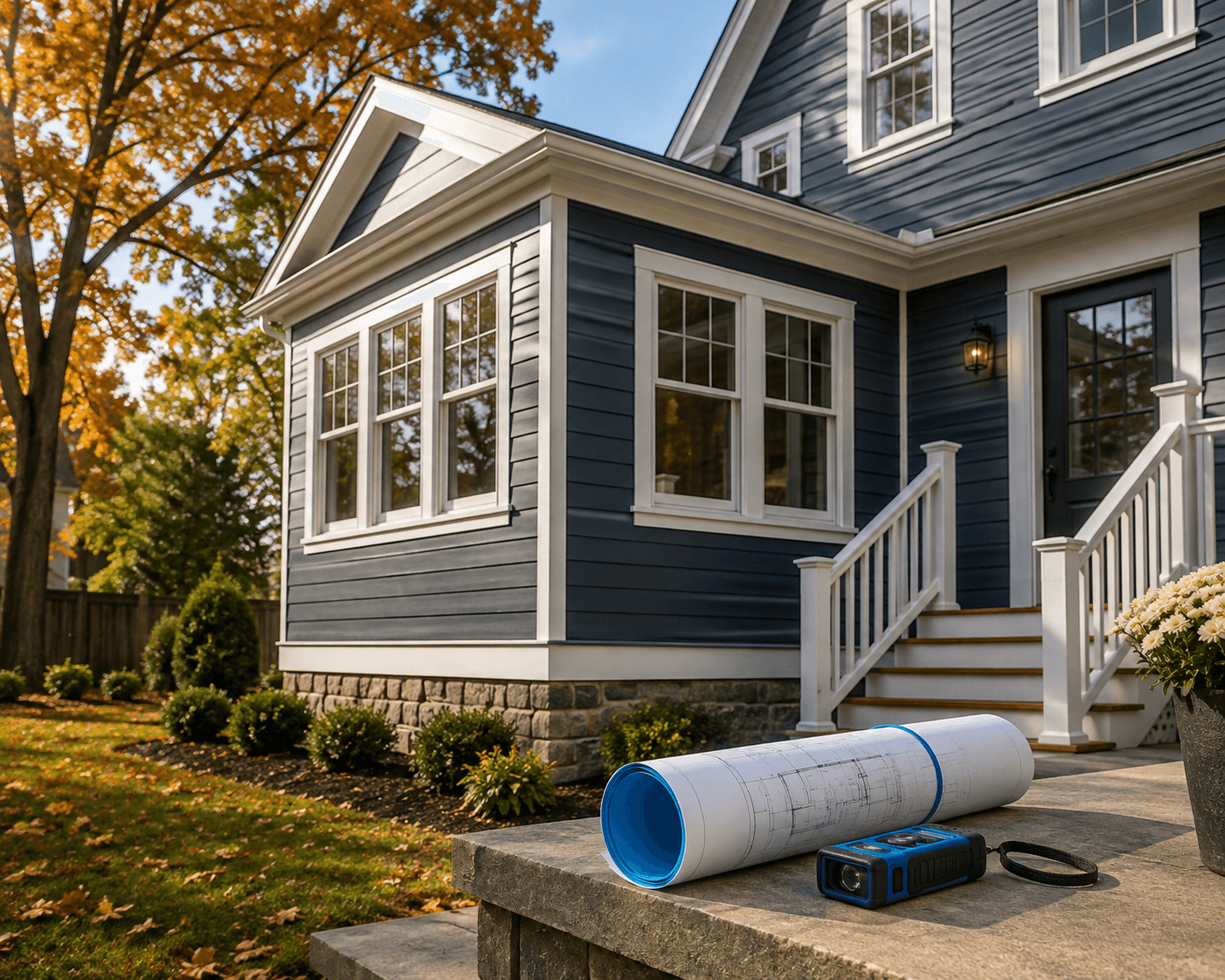
What does an appraiser actually look for? Homeowners often picture the appraiser hunting for flaws or being swayed by fresh paint. The reality is more structured and, once you understand it, more useful. An appraiser evaluates the specific features that the market has shown affect what buyers pay, and weighs them against real comparable sales. Here are the factors that move value the most, and a few that move it less than people think.
Location, First and Always
Location is the single most powerful factor, and it operates at several scales: the town, the neighborhood, the specific street, and the immediate surroundings. A busy road, proximity to transit, school district reputation, and the character of adjacent properties all register. Location is also the factor a homeowner cannot change, which is why it anchors the analysis.
Size and Gross Living Area
The home's above-grade gross living area, measured to the ANSI standard, is a primary driver, along with the bedroom and bathroom count and the functionality of the layout. Because that measurement moves value directly, the rules behind it matter; what counts as square footage and the most misunderstood rules in home measurement explains how GLA is actually calculated. This is why an accurate measurement matters so much; a square footage error moves the value directly.
Condition and Updates
Overall condition, the age and state of major systems, and meaningful updates to kitchens and bathrooms all affect value. The key word is meaningful. Buyers and appraisers respond to genuine, lasting improvements far more than to cosmetic touches, and the market's response to a renovation is usually less than the homeowner spent on it.
Comparable Sales Do the Deciding
None of these factors is scored in a vacuum. The appraiser translates them into value by comparing the subject home to recent sales of similar properties and adjusting for the differences. That is precisely the analysis an automated estimate skips; what Zillow gets wrong and why automated valuations can cost you real money explains why the algorithm cannot replicate a certified appraiser's judgment. The comparable sales are the evidence; the factors are how the appraiser explains the differences between your home and each comparable.
What Homeowners Overestimate
A few things move value less than expected. Highly personal upgrades that appeal to a narrow taste, over-improvements that outrun the neighborhood, and cosmetic staging do not carry the weight owners hope. An appraiser values the home the market will buy, not the effort or money that went into it. Preparing well still helps the outcome; how to prepare your home before the appraiser arrives to get the most accurate result covers what genuinely supports an accurate value.
Understanding what actually moves the number helps in two ways: it sets realistic expectations before a sale or refinance, and it points you toward the improvements and documentation that genuinely support value rather than the ones that only feel like they should.
To learn how Aladdin Appraisal serves homeowners, attorneys, realtors, CPAs, and investors across Greater Boston, visit our full appraisal services page.